Air Compressor
Core Part| Type | Screw / Reciprocating Air Compressor |
| Air Delivery (CFM) | 150-800 CFM |
| Operating Pressure | 4-7 bar (60-100 PSI) |
| Power Source | 15-100 HP |
| Hose Size | 1” to 2” |

Build Your Ideal Surface Prep Setup
Explore our full machinery range or jump directly to spare parts support.
Review specifications, applications, and enquiry support for this machine.

Industrial Applications
Recent Installations
 Kuwait City, Kuwait
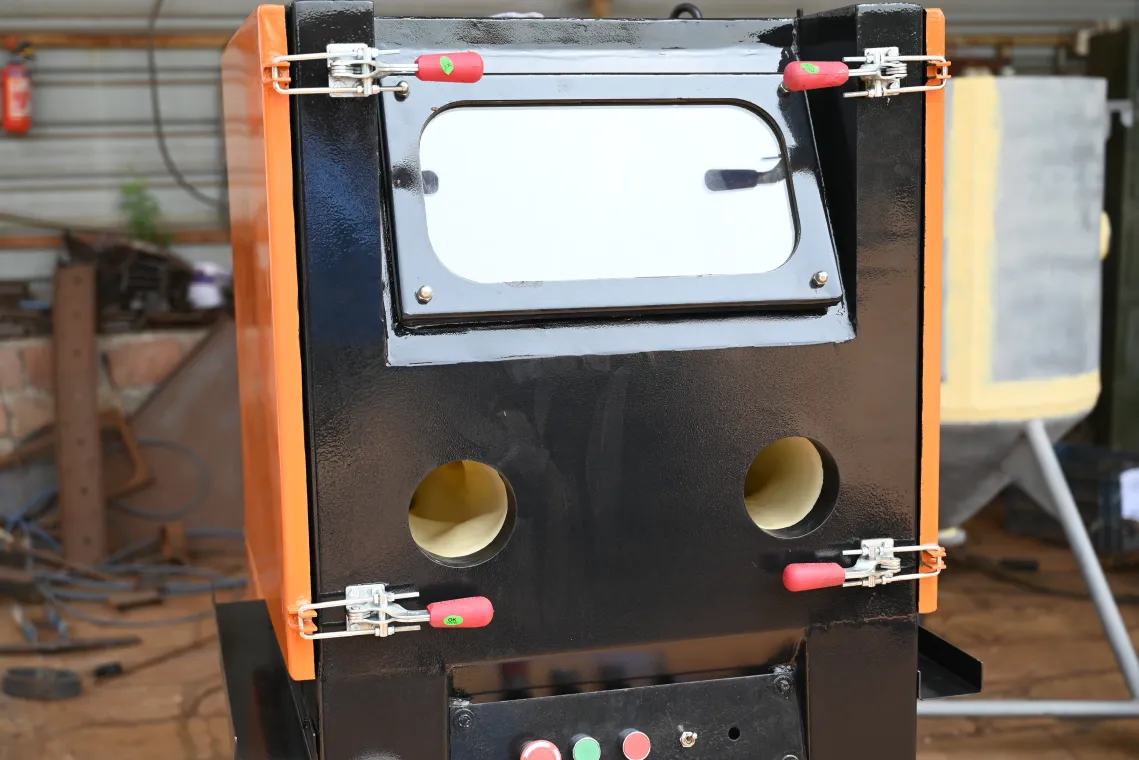 Chennai, India
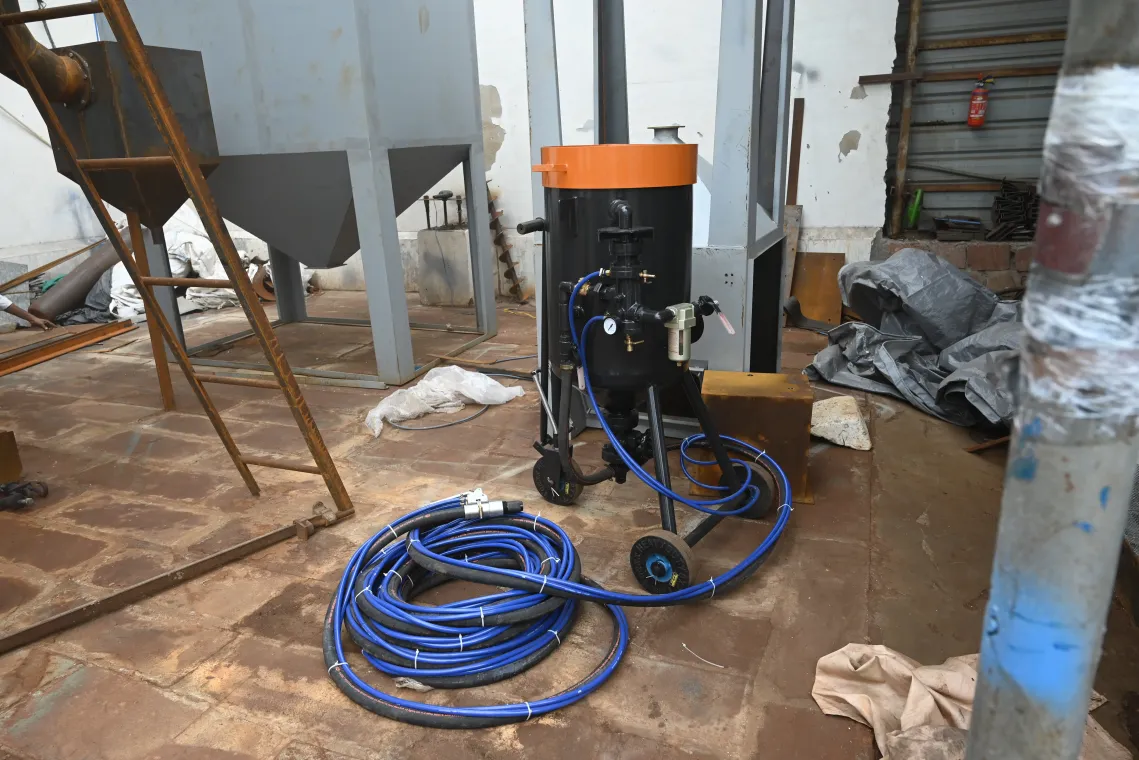 Pune, India
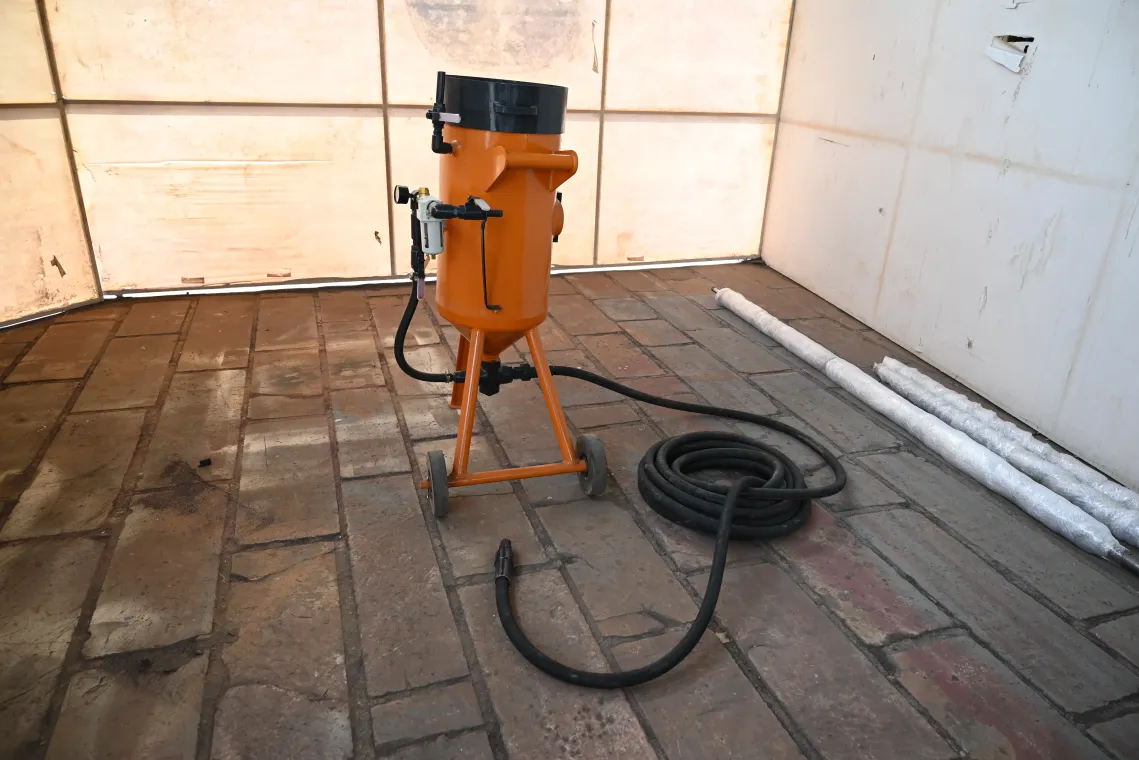 Ahmedabad, India
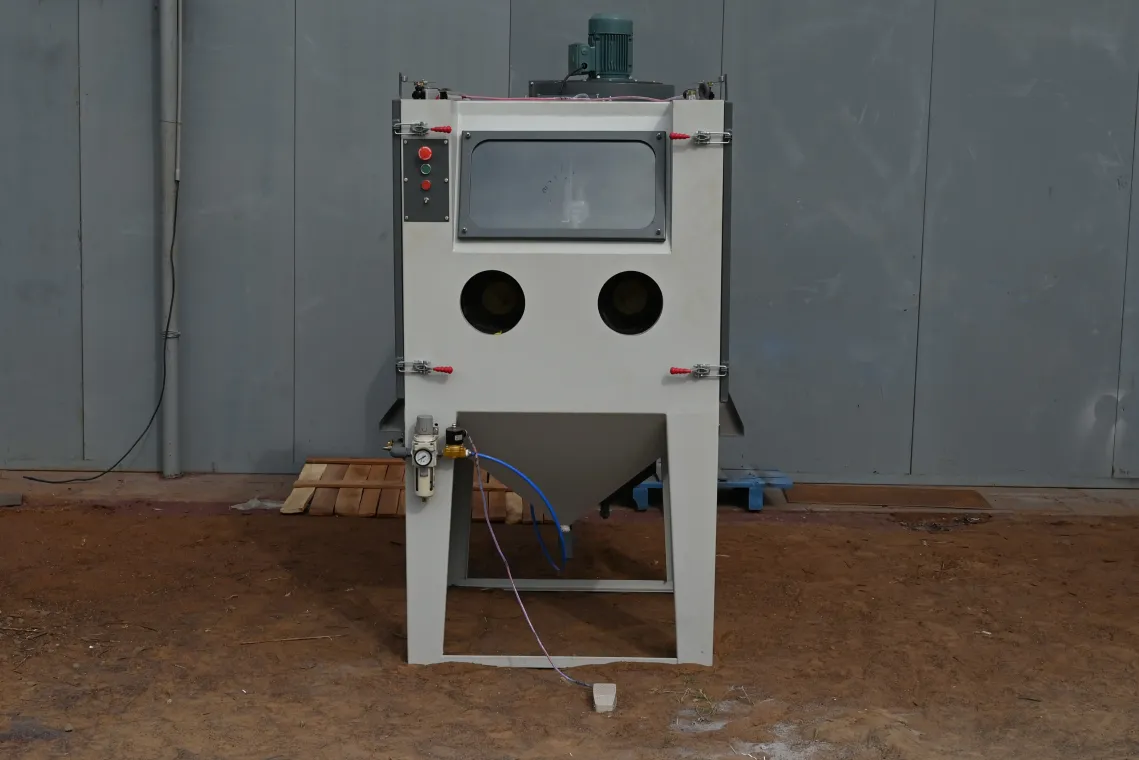 Vadodara, India
 Dubai, UAE
Surface preparation is a critical step in almost every industrial sector, from automotive and aerospace to construction and marine industries. While traditional dry blasting methods like sand blasting and shot blasting have long been used, the wet blasting machine has emerged as a more advanced, dust-free, and environmentally friendly alternative.
| Material | Mild Steel |
| Working Pressure | 60-100 psi |
| Nozzle Size | 4 mm-10 mm |
| Air Requirement | 150-800 CFM |
| Country | India |
| Brand | Spray Blast |
| Type | Screw / Reciprocating Air Compressor |
| Air Delivery (CFM) | 150-800 CFM |
| Operating Pressure | 4-7 bar (60-100 PSI) |
| Power Source | 15-100 HP |
| Hose Size | 1” to 2” |
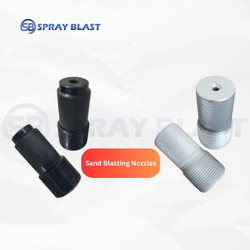
| Material | Tungsten, Boron Carbide |
| Nozzle Type | Venturi / Straight Bore Nozzle |
| Nozzle Bore Diameter | 4-12 mm |
| Operating Pressure | 60-100 PSI |
| Air Consumption | 150-800 CFM |
Surface preparation is a critical step in almost every industrial sector, from automotive and aerospace to construction and marine industries. While traditional dry blasting methods like sand blasting and shot blasting have long been used, the wet blasting machine has emerged as a more advanced, dust-free, and environmentally friendly alternative. Sometimes called a vapor blasting machine or slurry blasting machine, this equipment uses a mixture of water and abrasive media to clean, polish, or texture surfaces with high efficiency and precision.
A wet blasting machine is a type of abrasive blasting machine that uses a slurry of abrasive media and water, propelled by compressed air, to treat surfaces. The presence of water reduces friction, cushions the blasting process, and eliminates dust formation, making it safer for both the operator and the environment.
Wet blasting is also referred to as:
The wet blasting process combines abrasive particles, water, and compressed air to create a high-energy stream that impacts the surface. Here’s the step-by-step working principle:
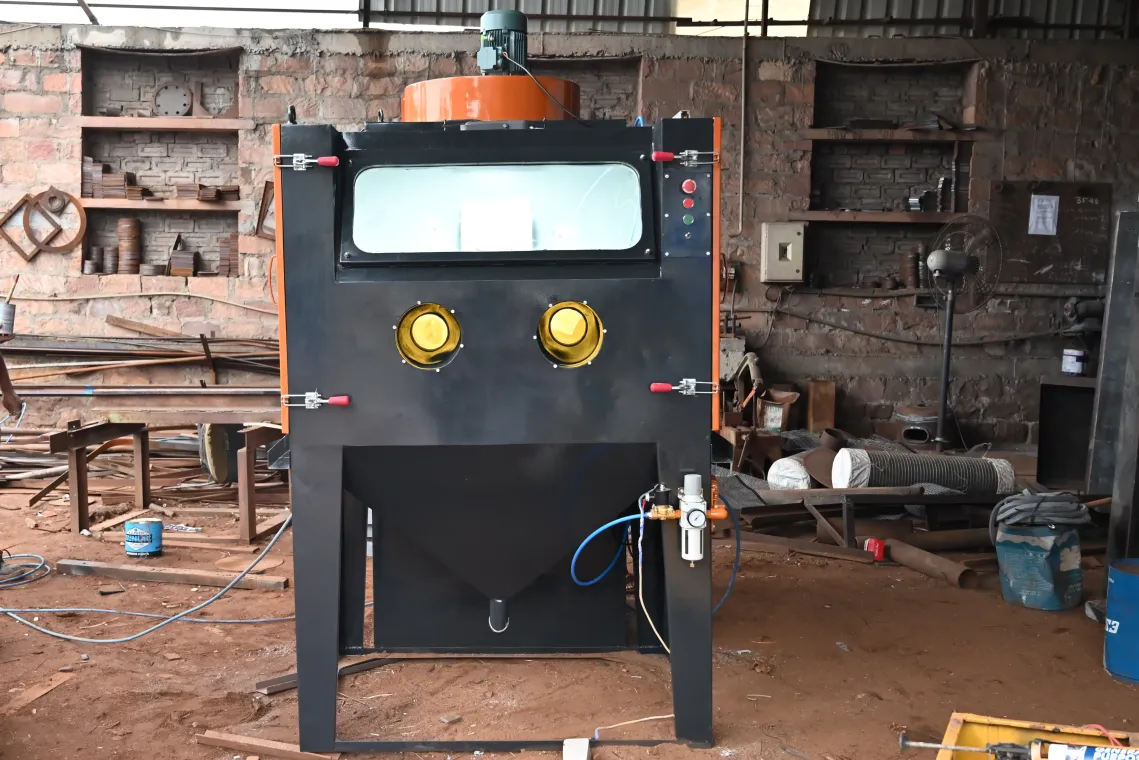
A standard industrial wet blasting machine consists of:
The wet blasting machine price depends on its type, capacity, and application requirements. wet blasting machine price also depends on automation, nozzle type, pump capacity, and dust-control features. Additional expenses may include an air compressor, hoses, protective gear, and dust collectors, which influence the overall investment. While the initial cost of a wet blasting machine may be higher than traditional sand blasting equipment, it offers dust-free operation, better surface finish, lower abrasive consumption, and higher operator safety, making it a more cost-effective solution in the long run.
We are the leading wet blasting machine manufacturer in India and also a supplier of wet sand blaster equipment worldwide. Spray Blast offers a sand blasting machine, sand blasting cabinet, wet sand blasting machine, pressure blasting cabinet, portable sand blasting machine, shot blasting machine, tumblast shot blasting machine, granite engraving machine, hydro blasting machine, wheel blasting machine, grit blasting machine, and abrasive media, etc.
Share your application, production target, and material details. Our engineering team will recommend the right configuration with timeline and pricing.
A wet blasting machine is a surface preparation system that uses a mixture of abrasive media and water, propelled by compressed air, to clean, polish, or texture surfaces in a dust-free environment.
Yes. Since the process is dust-free, it reduces the risk of inhalation hazards associated with dry blasting. However, operators should still wear protective gear like gloves, helmets, and boots.
They are widely used in automotive (engine parts, alloy wheels), aerospace (turbine blades, components), marine (hull cleaning, rust removal), medical equipment finishing, mold and die polishing, and construction industries.