Review specifications, applications, and enquiry support for this machine.

Industrial Applications
Shipyard
Automotive
Pipeline
Fabrication
Construction
Recent Installations
 Kuwait City, Kuwait
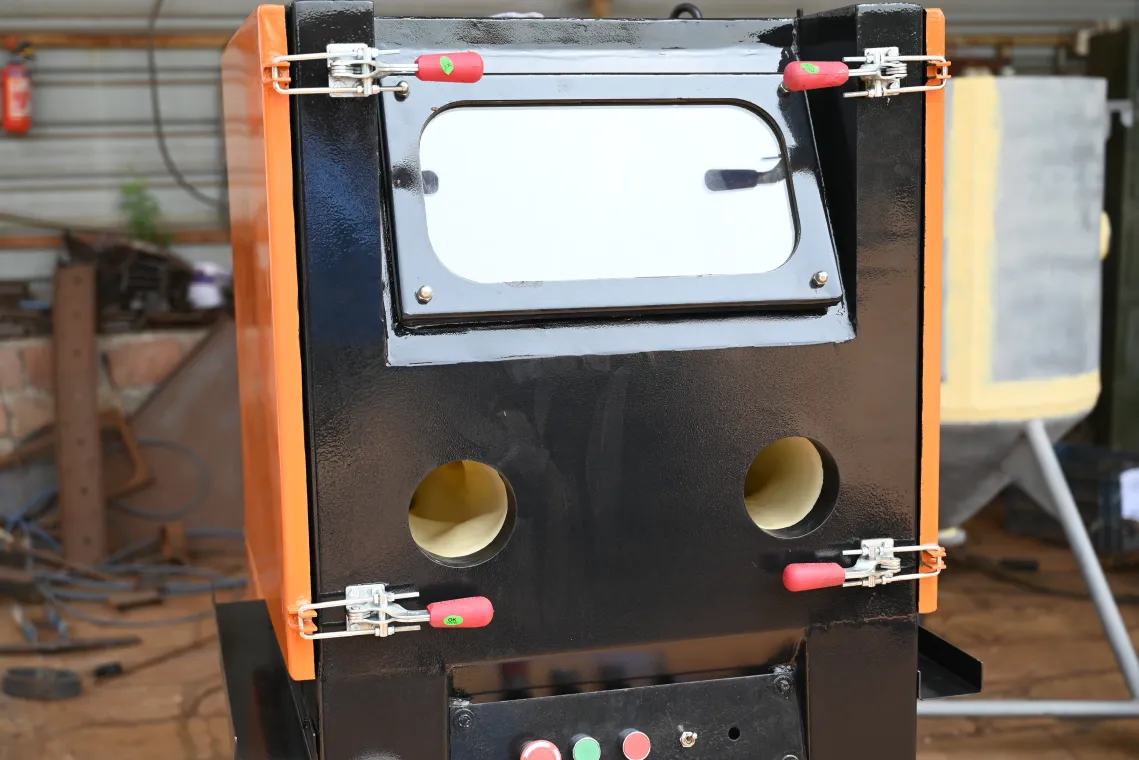 Chennai, India
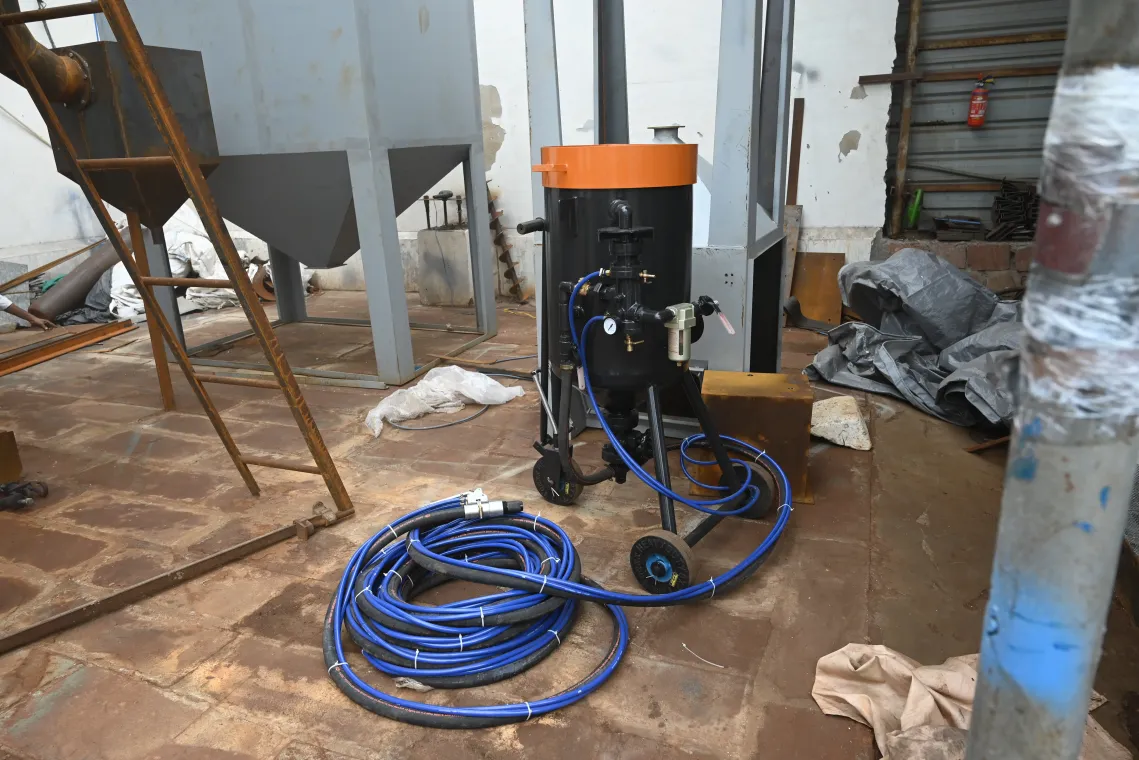 Pune, India
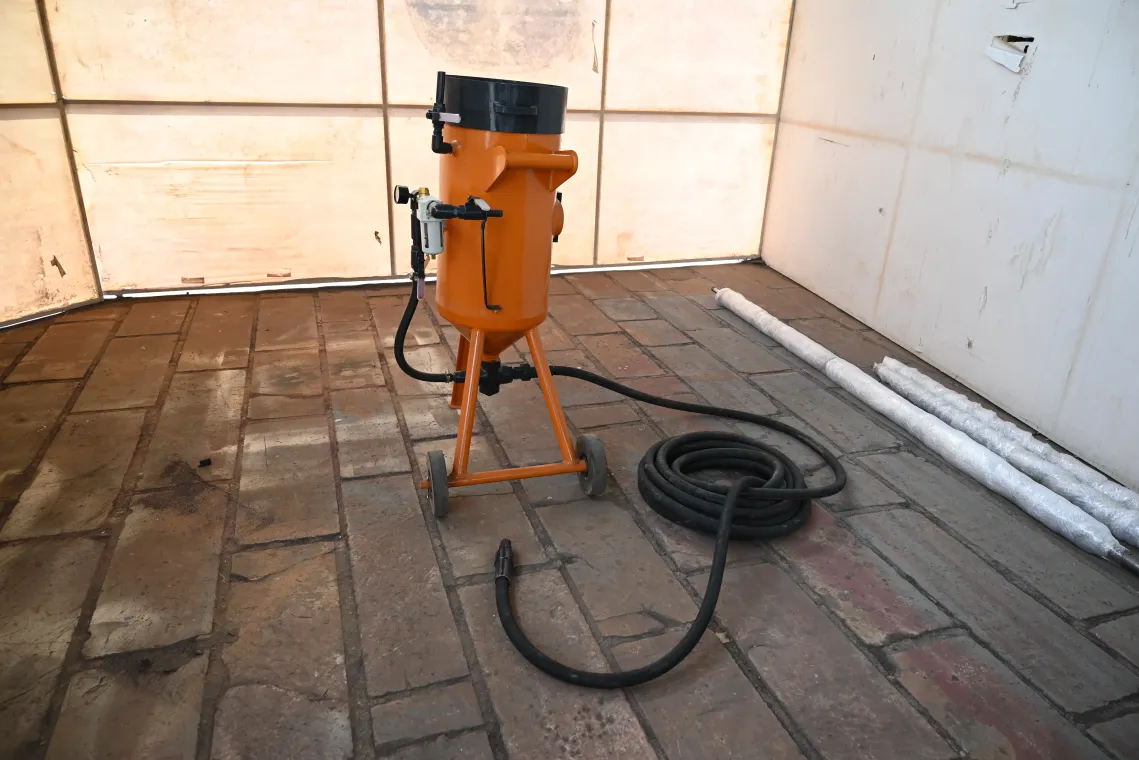 Ahmedabad, India
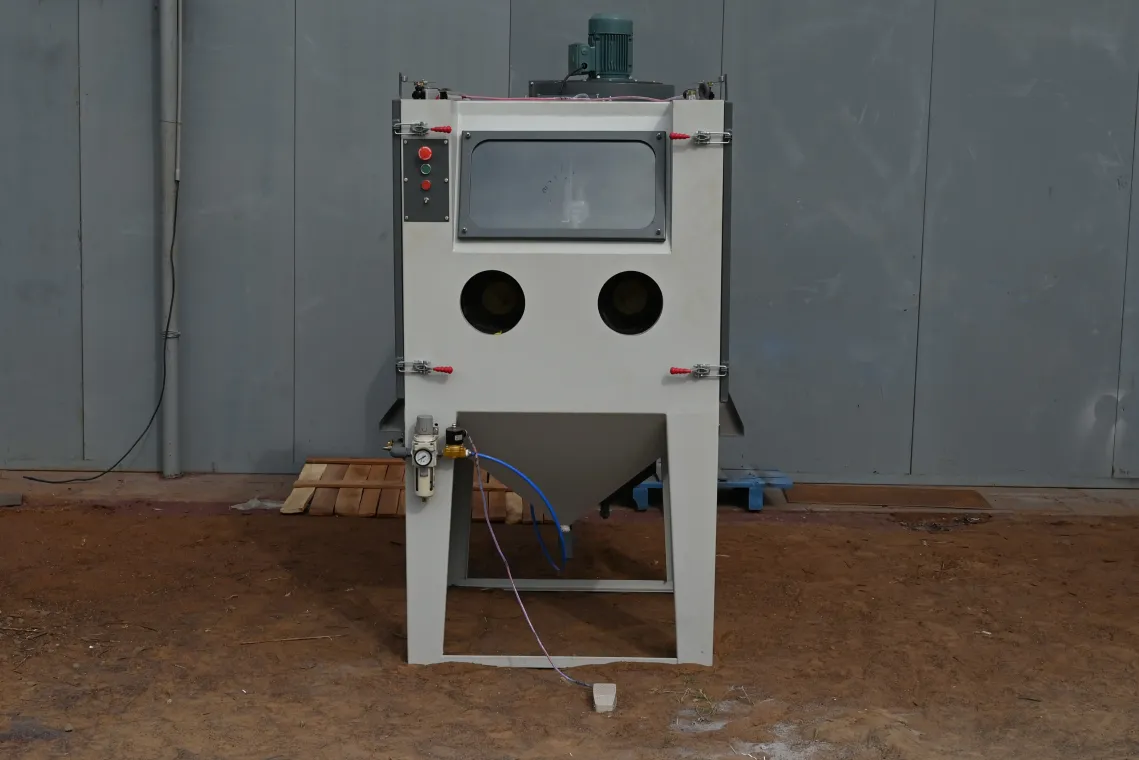 Vadodara, India
 Dubai, UAE
Industrial Grade
In Stock
1-Year Warranty
Copper Slag
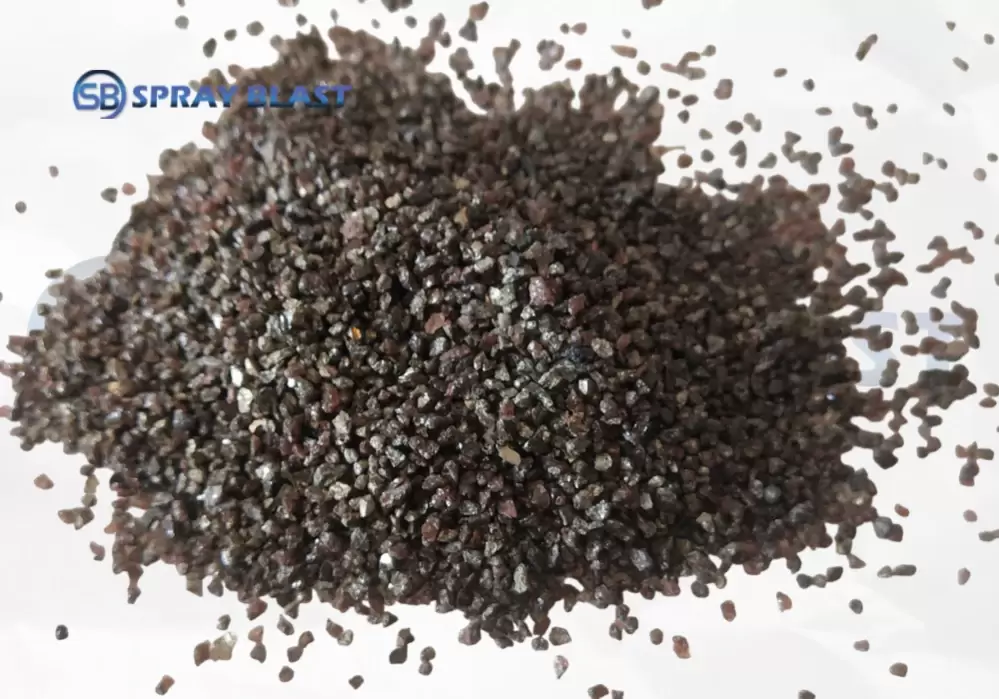
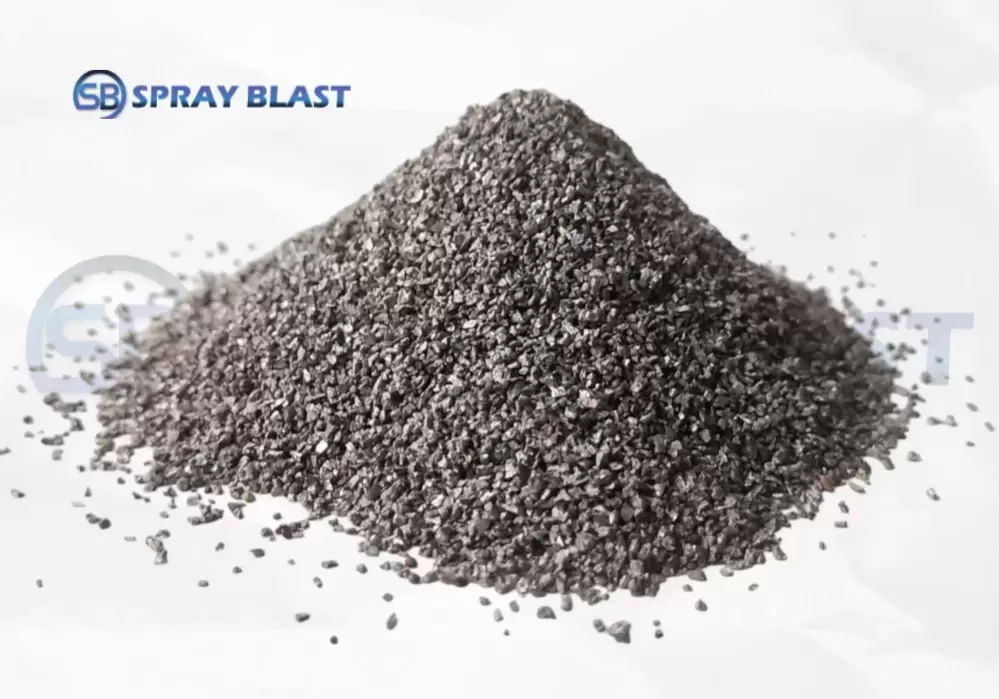
Copper slag is a by-product of copper smelting, where impurities form a slag that floats on the molten metal. When cooled in water, it assembles angular granules, whichever can be either discarded or utilized in various applications. This slag primarily contains iron and silicon oxides.
30-45%Faster Prep
25%+Adhesion Gain
20-35%Less Rework
AVAILABLE SIZE
0.2mm
0.5mm
1mm
2mm
3mm
MESH GRADE
30 Mesh
60 Mesh
80 Mesh
120 Mesh
Price range: Request best quote for your configuration
Commercial quote is shared after requirement matching.
Technical Specifications
| Material | Copper Slag |
| Size Range | 0.2-2.5 mm |
| Hardness | 6-7 Mohs |
| Bulk Density | 2.8-3.8 g/cm³ |
| Specific Gravity | 3.4 kg/m3 |
| Moisture Content | ≤ 0.5% |
| Shape | Angular |
| Color | Black, Grey |
Applications
- Abrasive Blasting: Widely used for removing rust, paint, and scale from steel surfaces in shipyards, construction, and pipelines.
- Surface Preparation: Creates a rough surface profile for better coating adhesion before painting or metallizing.
- Water Jet Cutting: Mixed with water for certain cutting and cleaning applications.
- Concrete Cleaning: Effective for cleaning concrete surfaces without damaging the substrate.
- Road Construction: Used as an aggregate material in asphalt and road base layers.
- Landfilling & Cement Industry: Utilized as a raw material in cement manufacturing and land reclamation.
- Shipbuilding and Marine Industry: Used for hull cleaning, corrosion removal, and maintenance.
Introduction Of Copper Slag
Copper slag is a by-product of copper smelting, where impurities form a slag that floats on the molten metal. When cooled in water, it assembles angular granules, which can be either discarded or utilized in various applications. This slag primarily contains iron and silicon oxides. The main components in a smelting charge are iron and copper sulphides and oxides. The charge also includes oxides like silica (SiO2), aluminum oxide (Al2O3), lime (CaO), and magnesia (MgO), either naturally present or added as flux. Iron, copper, sulphur, oxygen, and their oxides primarily control the smelting chemistry and structure.
Copper slag is not flammable, combustible, or explosive, and poses no unusual hazards in its unused form. However, Copper slag is used in abrasive blasting machines. When using copper slag as abrasive media in abrasive blasting machine operation, less dust is generated.
During smelting, this process produces two separate liquid phases: copper-rich matte (sulphides) and copper slag (oxides). Adding silica helps form strong silicate anions with the oxides, creating the copper slag phase. Silica is added to isolate copper in the matte effectively. The slag's structure is stabilized with lime and alumina. The molten slag is discharged from the furnace at 1000-1300°C. When cooled slowly, it assembles a dense, hard crystalline product. Rapid cooling by pouring molten slag forms a granulated, amorphous slag.
Copper slag abrasive could be employed as a partial substitute for sand in concrete production, making it a cost-effective building material. Utilizing copper slag in concrete improves strength, workability, & durability. It is even engaged in blast cleaning, offering fast cleaning speeds with less dust formation.
Copper slag could be utilized in concrete production as a partial substitute for sand, reducing construction costs. It is also utilized to form building blocks. Studies have shown certain utilizing copper slag in concrete improves strength, workability, and durability, proving its effectiveness in various structural aspects.
Copper Slag Blasting Media
Copper slag blasting media is made from spare metal smelting and is great for fast cleaning in sand blasting machine operations. It comes in three types to fit different blasting needs. Copper slag is hard and dense, so it doesn’t break easily and produces less dust compared to other local slag abrasives. It’s often used for cleaning and restoring heavily painted steel structures like bridges, ships, and water towers.
Due to the scarcity and restrictions on river sand mining, finding alternatives like copper slag is beneficial. Copper slag, a by-product of copper smelting, could be utilized in concrete to reduce environmental pollution and construction costs. It has the physical, chemical, and mechanical properties needed to partially replace fine aggregate in concrete.
Advantages of Copper Slag
- Very heightened cleaning speed.
- Very low dust level.
- Less abrasive consumption.
- The crystalline silica content is less than 1%.
Throughout the copper slag blasting procedure circumstances the surroundings of the operational areas are contaminated by fine dust from the abrasive media, certain materials, paint, metal chips, & toxic metals. Most of the shipbuilding and ship repair industries started substituting copper slag as abrasive media with eco-friendly media. Consequently, the alternative to established exhibition techniques, i.e., blasting employing copper slag grit with less contamination, environmentally safe, and alternative processes that have less influence on human health and the atmosphere, is important. In this work, the harmful outcomes of abrasive blasting media like copper slag grit and steel shots employed for exterior rehearsal are analysed by evaluating the significance of the material on human beings and the environment. The consequences of its creation are enduring because they cause the blasting efficiency, cost, and pollution generated by the blasting media. The sense of rotating the current blasting media is to decrease the quantity of waste and pollution.
The surface roughness and the effectiveness of rust and paint removal depend on the abrasive media utilized. Common abrasive media include glass, crushed slags, steel shots, steel grits, and ceramic beads. In the past, the shipbuilding and repair industries used sand for blasting, but it caused silicosis, a lung disease from inhaling silica dust, leading to less use of sand. Currently, copper slag is widely employed because it is inexpensive, covers a larger area, and is highly efficient.
Features of Copper Slag
- Low Cost: As one of the most effective blasting mediums on the market, the time and cost per usage make it worthwhile.
- Efficient: This abrasive's nature allows it to cut through surfaces more swiftly than other competing abrasives.
- Environmentally Friendly: An environmentally friendly abrasive that contains no beryllium.
- Recyclable: Copper slag can be recycled up to three times.
Copper Slag Manufacturers
Spray Blast is one of the best copper slag manufacturers and also the copper slag supplier all over the world. Copper slag price depends on the grade and quality of copper slag abrasive media. We offer all types of abrasive media such as aluminum oxide, steel shot, steel grit, and also offer abrasive blasting machines, sand blasting machines, vacuum blasting machines, thermal spray booths, paint rooms system, thermal spray wire, zinc wire, etc.
Request A Custom Quote For Copper Slag
Share your application, production target, and material details. Our engineering team will recommend the right configuration with timeline and pricing.
Frequently Asked Questions
Copper slag is a byproduct of copper smelting, used as an abrasive material for cleaning and surface preparation in blasting operations.
Copper slag is angular, hard, and durable, offering excellent cleaning power with minimal dust generation and low silica content.
Copper slag is heavier and more aggressive than sand, providing faster cleaning rates and better surface roughness for coating adhesion.
Yes, depending on the blasting process and application, copper slag can be recycled multiple times, reducing costs.
Yes, copper slag can be used in both dry and wet blasting systems to reduce dust and improve visibility during blasting.
Related Products