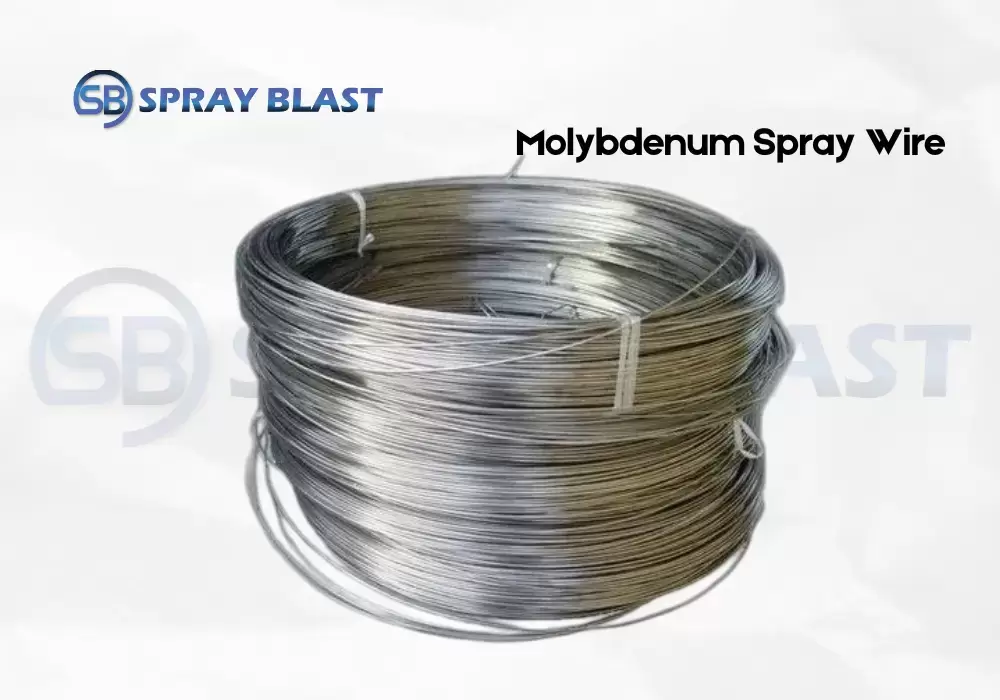
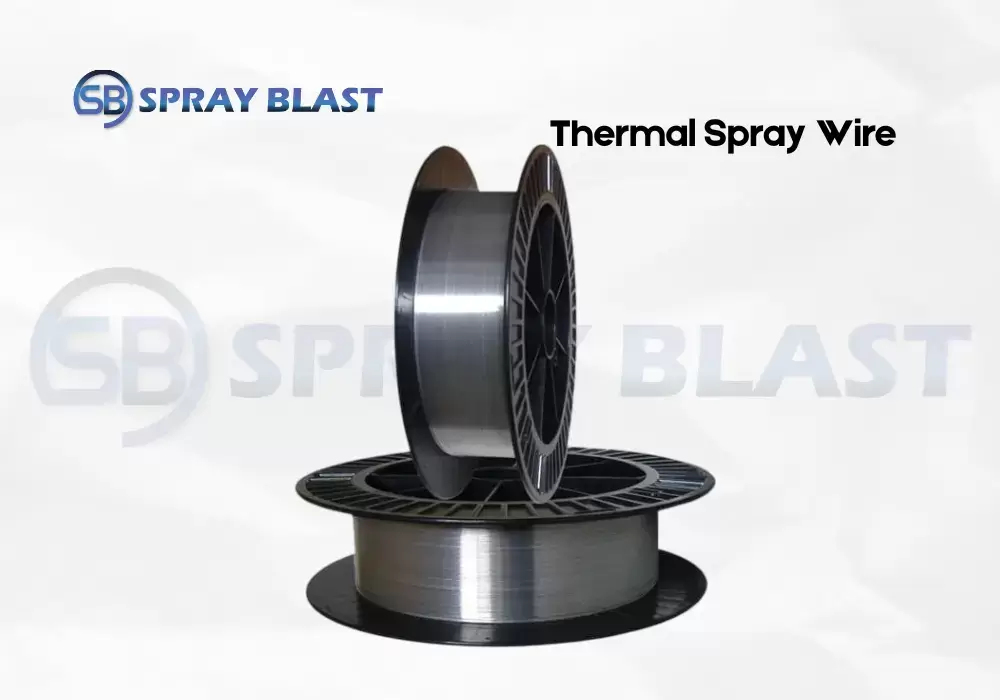
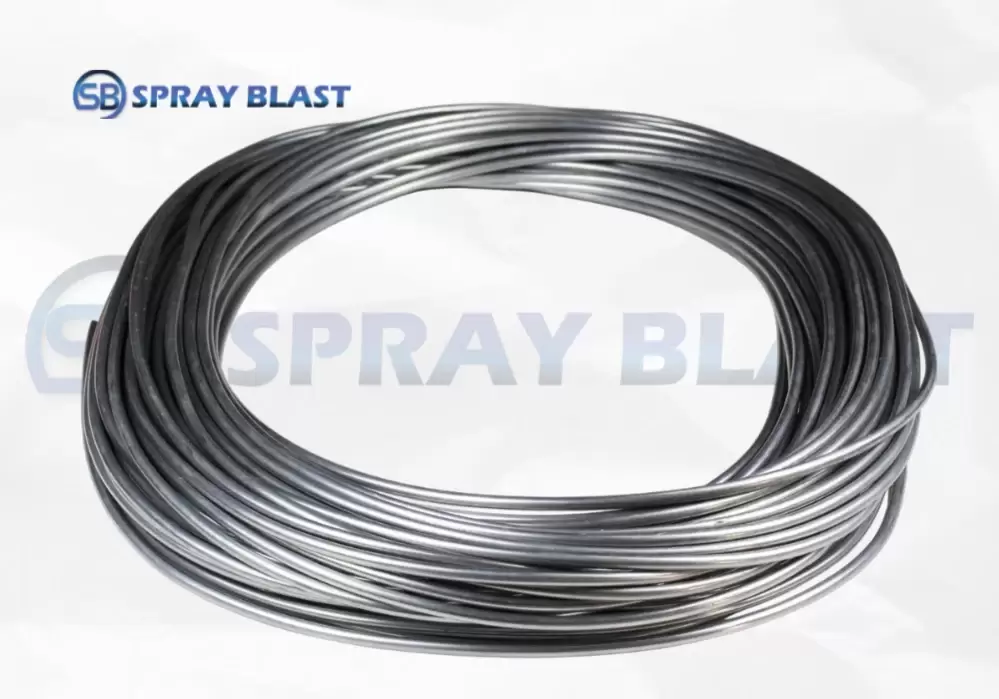
Molybdenum wire is one of the most universal materials utilized in the thermal spray industry. Known for its excellent hardness, heightened melting point, wear resistance, and bonding capabilities, molybdenum wire recreates an essential role in arc spray and flame spray coating processes. It is widely utilized to enhance the performance, durability, and service life of industrial elements.
In the modern era of surface engineering, industries require advanced coating resolutions that improve wear resistance, corrosion resistance, and electrical conductivity. Molybdenum wire completes these requirements, making it a best choice in thermal spray wire applications across automotive, aerospace, oil & gas, and steel industries.
Moly Wire
Moly wire is a high-purity metallic wire created from molybdenum, a refractory metal with a melting point of 2620°C (4748°F). It is primarily supplied in spools or coils with diameters ranging from 1.6 - 3.2 mm, making it convenient for thermal spray coating processes.
Molybdenum is inherently resistant to wear, heightened temperature, and oxidation, making it perfect for applications where conventional thermal spray wires like zinc, aluminum, babbitt wire, or copper may not perform adequately.
Key Properties of Molybdenum Wire
- High Hardness: Provides strong wear resistance in demanding applications.
- Excellent Bonding: Employed as a bonding wire to enhance the adhesion of different coatings.
- High Melting Point (2620°C): Withstands undeserved thermal environments.
- Low Coefficient of Friction: Appropriate for anti-wear applications.
- Electrical Conductivity: Employed as a conductive wire in electrical & electronic elements.
- Corrosion Resistance: Shields against oxidation & chemical degradation.
- Compatibility: Works with both arc spray systems and flame spray gun systems.
Advantages of Using Molybdenum Wire
- Exceptional wear resistance for high-friction applications.
- Versatile use as both a topcoat and a bonding wire.
- Elevated service life of coated components.
- Resistance to oxidation and corrosion in outer conditions.
- Lower downtime & maintenance costs for industries.
- Strong adhesion to substrates corresponded to additional thermal spray wires.
Molybdenum Wire in Thermal Spray Processes
Arc Spray Wire Coating
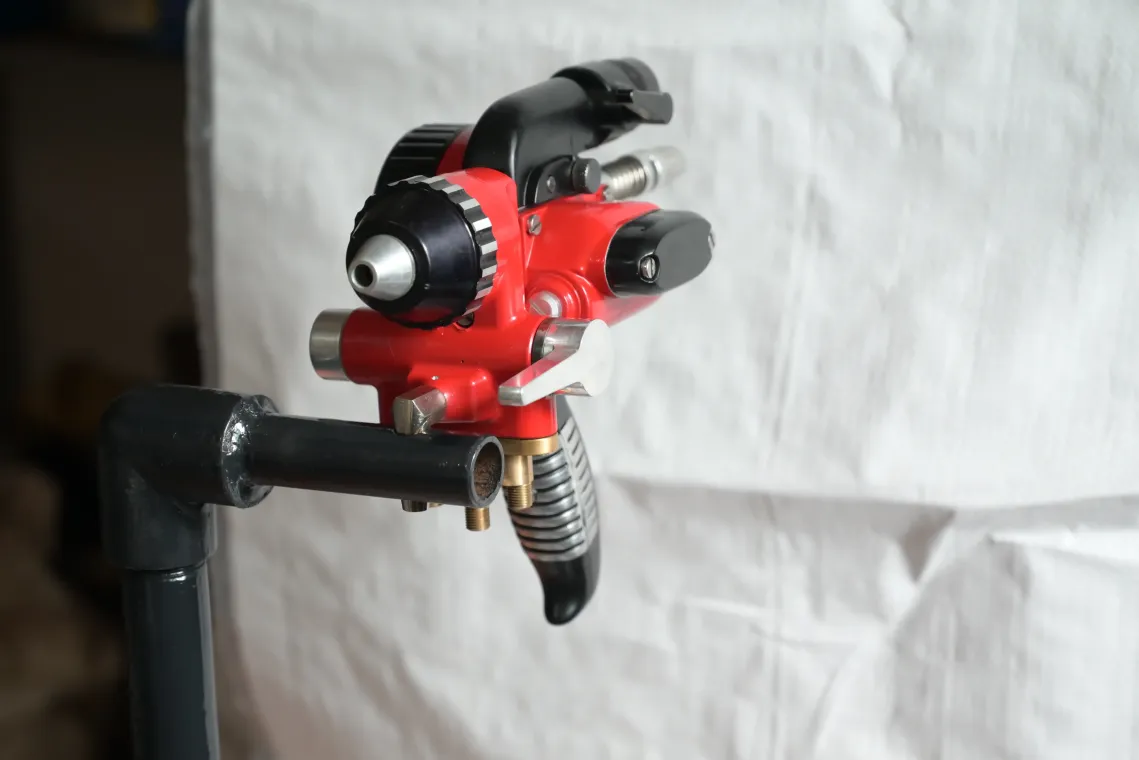
Molybdenum spray wire is melted utilizing twin-wire arc spray guns, assembling fine molten particles that are projected onto the substrate. This process is widely employed for wear-resistant coatings in the automotive and steel industries.
Flame Spray Wire Coating
In flame spray coating, a detonation flame melts the molybdenum metalizing wire, and compressed air moves the molten material onto the surface. This procedure is preferred for bond coat applications.
Comparison with Other Thermal Spray Wires
Zinc wire is utilized for corrosion resistance, while molybdenum spray wire is preferred for wear resistance. Aluminum delivers light corrosion protection, but molybdenum excels in mechanical wear and high-temperature stability.
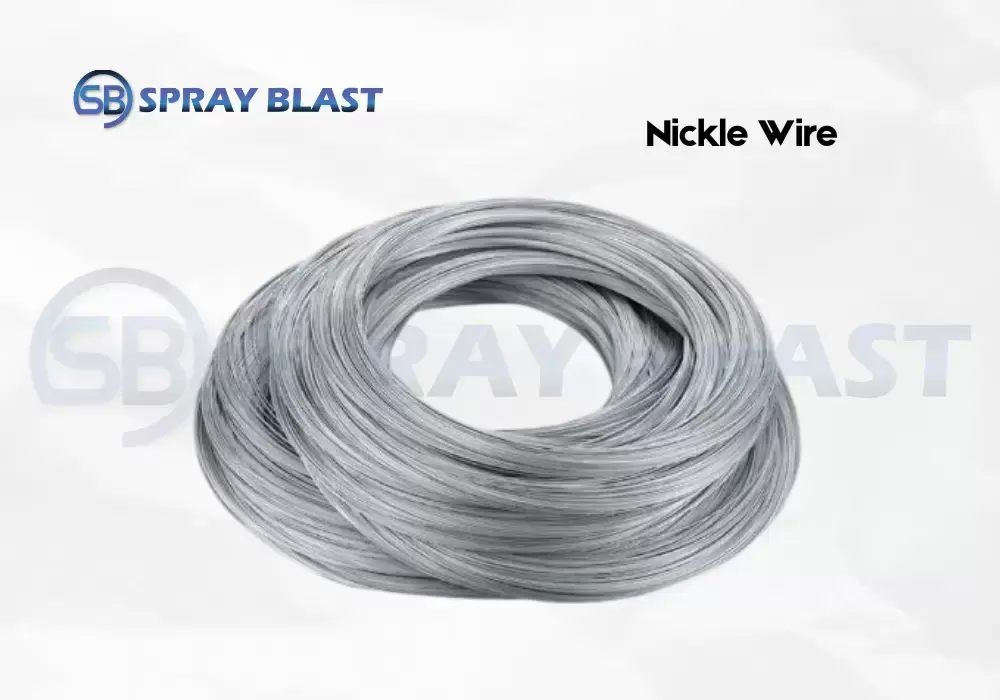
Copper wire is highly conductive but lacks wear resistance, making molybdenum a better option for anti-wear coatings. Nickel wires are utilized for corrosion resistance; molybdenum is mainly applied as a bonding wire or wear-resistant wire.
Molybdenum Wire Price
The molybdenum wire price relies on factors such as purity, diameter, coating requirements, and market fluctuations of molybdenum metal.
Molybdenum Wire Manufacturers in India
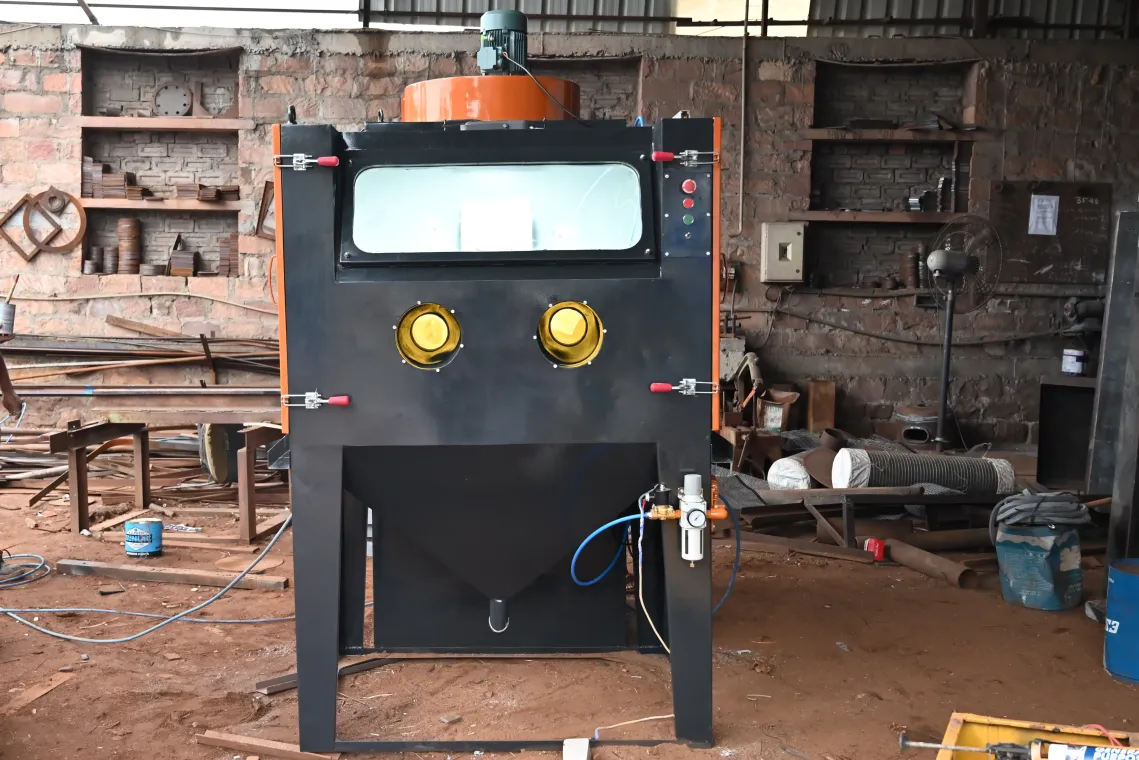
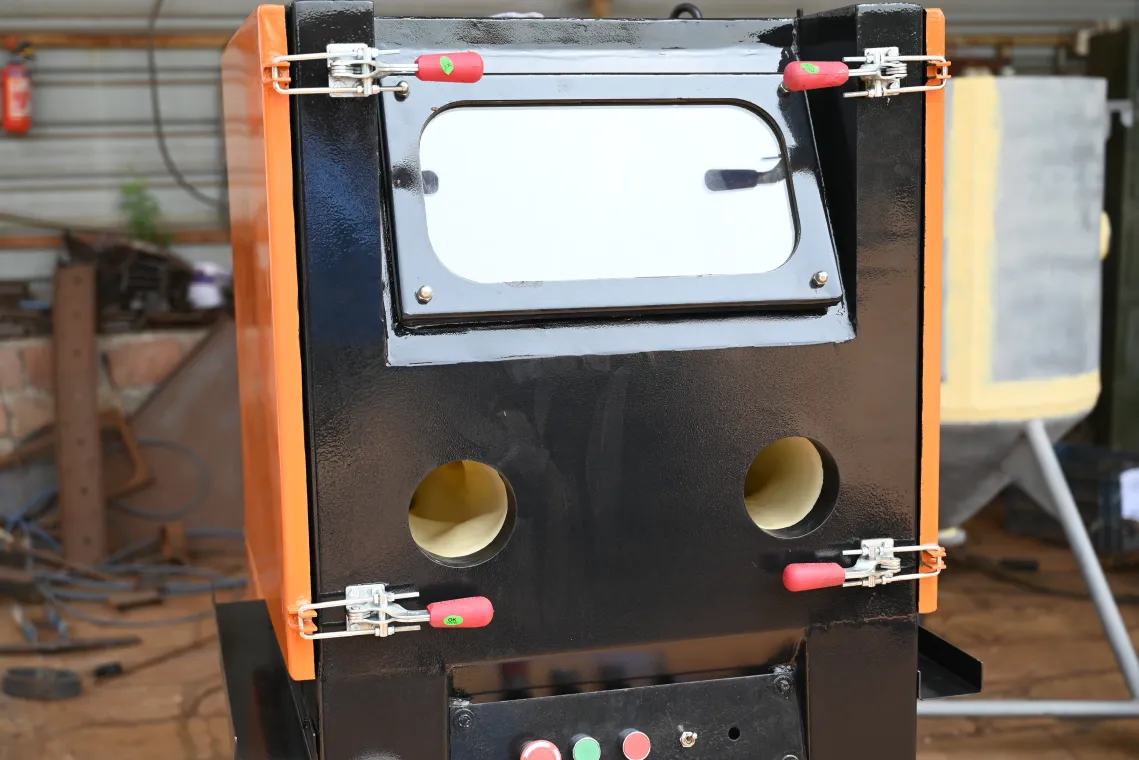
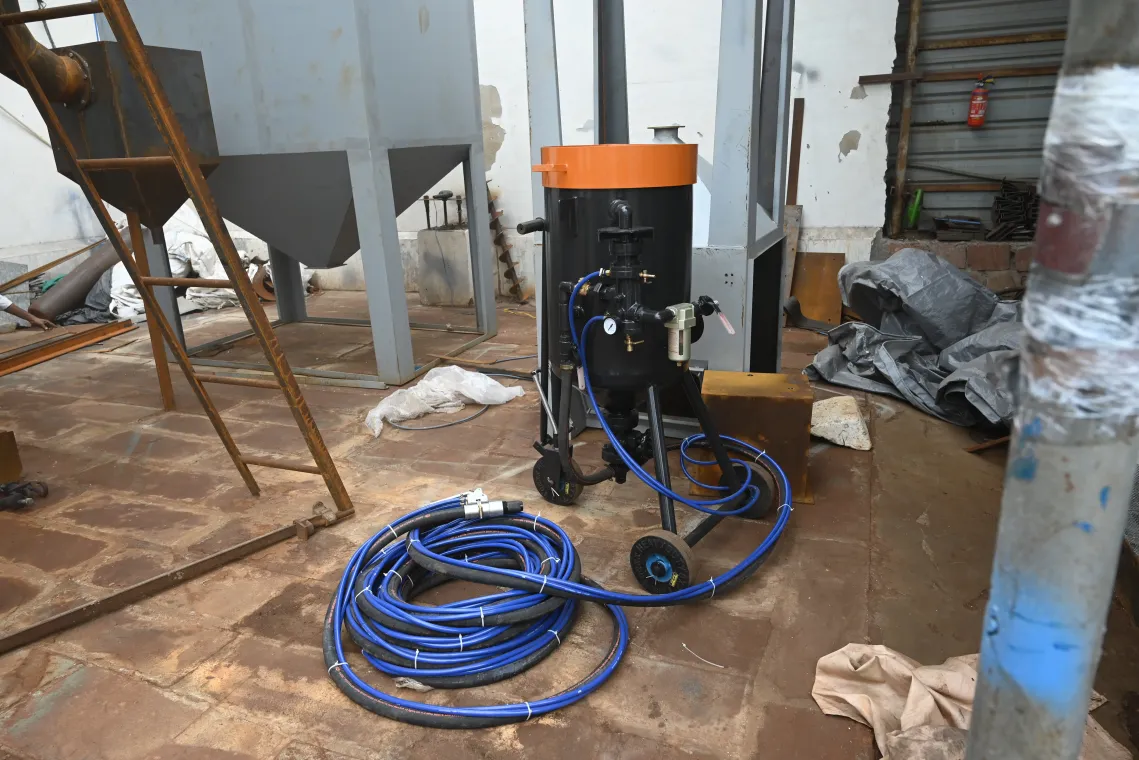
Spray Blast is one of the greatest molybdenum wire manufacturers in India and a trusted supplier of molybdenum spray wire worldwide. Along with this, we deliver an expansive range of consequences, including babbitt wire, zinc wire, copper wire, abrasive blasting machines, sand blasting machine, vapor blasting machines, wet blasting machines, dry ice blasting machines, wheel blasting machines, hydro blasting machine, shot blasting machines, and grit blasting machines. We also specialize in thermal spray equipment such as thermal spray guns, thermal spray wires, thermal spray booths, as well as high-quality abrasive media.