Sponge Blasting Machine Complete Guide
Surface preparation recreates a critical role in industries such as construction, oil & gas, marine, automotive, aerospace, and manufacturing. Traditional blasting methods like sand blasting machines, grit blasting machines, and shot blasting machines have long been used for cleaning and coating preparation. However, these methods often generate excessive dust, noise, and environmental concerns. This is where the sponge jet blasting machine has revolutionized the blasting industry with its eco-friendly, dustless, and controlled surface cleaning technology.
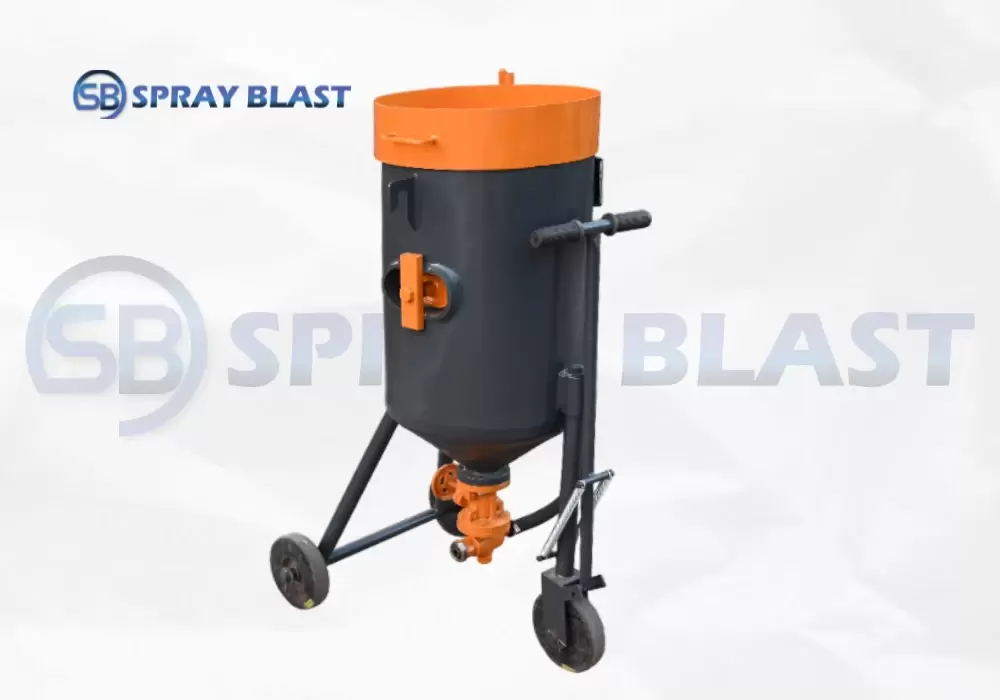
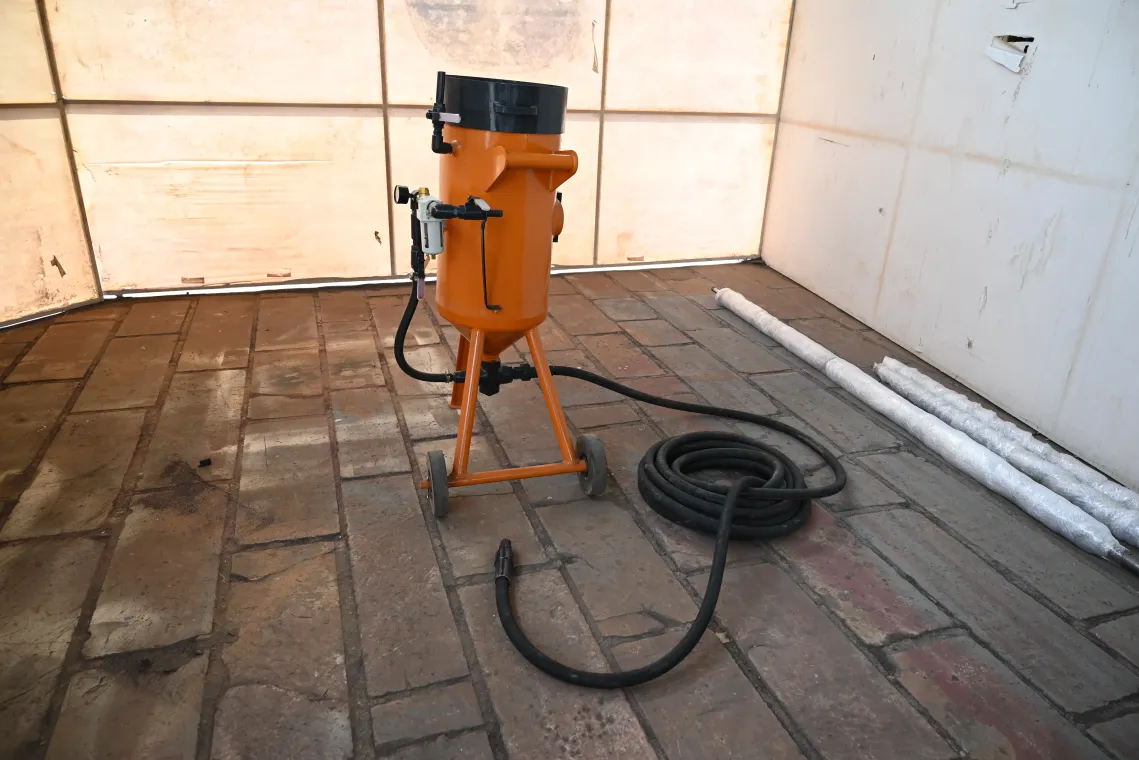
A sponge blasting machine is an advanced surface preparation system that uses sponge media embedded with abrasives to clean and profile surfaces. Unlike traditional sand blasting machines or grit blasting machines, the sponge jet system reduces dust by up to 95%, making it one of the cleanest blasting technologies available.
The sponge media compresses upon impact, removing contaminants and coatings, and then expands to capture dust and debris, resulting in a clean, dry, and environmentally safe process.
How Does a Sponge Jet Blasting Machine Work?
The working principle of the sponge jet blasting machine involves:
- Sponge Media Projection: The machine propels sponge media embedded with abrasives at the target surface.
- Impact and Cleaning: Upon impact, the sponge flattens, exposing the abrasive media, which removes rust, coatings, or contaminants.
- Dust Collector: As the sponge rebounds, it expands and encapsulates the debris and dust, leaving the surface clean and minimizing airborne particles.
- Media Recovery & Reuse: Up to 95% of the sponge media can be collected, cleaned, and reused, making it cost-effective compared to traditional blasting.
Advantages of the Sponge Jet Blasting Machine
The sponge blasting equipment offers several benefits over conventional blasting machines:
- Dustless Blasting: Reduces airborne dust by 95%, improving safety and visibility.
- Environmentally Friendly: Uses recyclable sponge media, reducing waste.
- Precise Surface Preparation: Achieves high-quality surface profiles (SSPC-SP5, SP10, etc.) for coatings and paints.
- Low Noise Operation: Safer for operators in confined or noise-sensitive environments.
- Reusable Media: Saves costs by recycling sponge abrasive media multiple times.
- Reduced Cleanup Costs: Less dust and debris minimize post-blasting cleaning efforts.
- Versatile Applications: Can be used for steel, concrete, aluminum, composites, and sensitive equipment.
Sponge Jet Blasting vs Sand Blasting
Many users compare sponge blasting machines with sand blasting machines. Here are the key differences:
- Dust Control: Sponge blasting is almost dust-free, while sand blasting generates dust.
- Media Reusability: Sponge media can be reused up to 95%, while sand is single-use.
- Environmental Impact: Sponge blasting is eco-friendly and complies with safety standards.
- Surface Quality: Sponge blasting produces cleaner, more controlled surface finishes.
- Cost Efficiency: Although the initial cost is higher, sponge blasting saves money in media reuse and cleanup.
Sponge Jet Blasting Machine Price in India
The sponge jet blasting machine price in India varies depending on several key factors such as the pressure rating and capacity of the machine, the type and quality of sponge media used, and whether the system is manual, semi-automatic, or fully automatic. Additional elements like the availability of recovery and recycling systems, and customization based on industry requirements, also influence the final cost. Generally, the sponge jet blasting machine price range suits small workshops as well as large-scale industrial applications.
Sponge Jet Blasting Machine Manufacturer in India
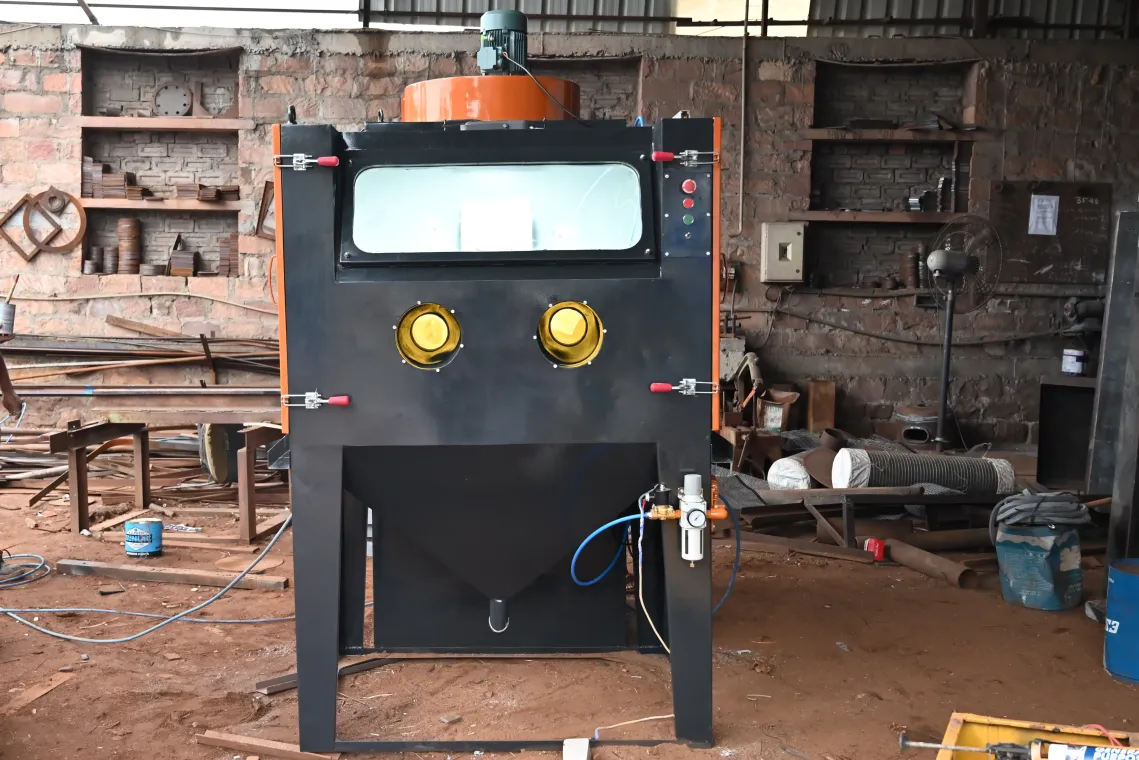
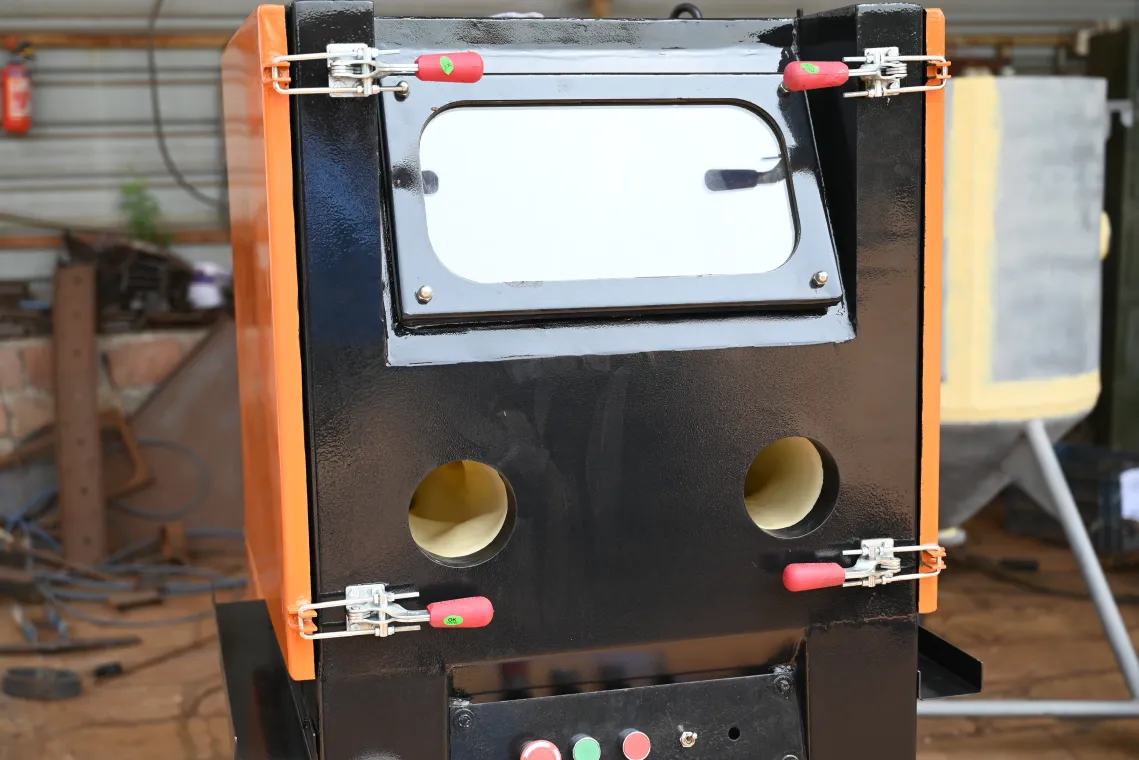
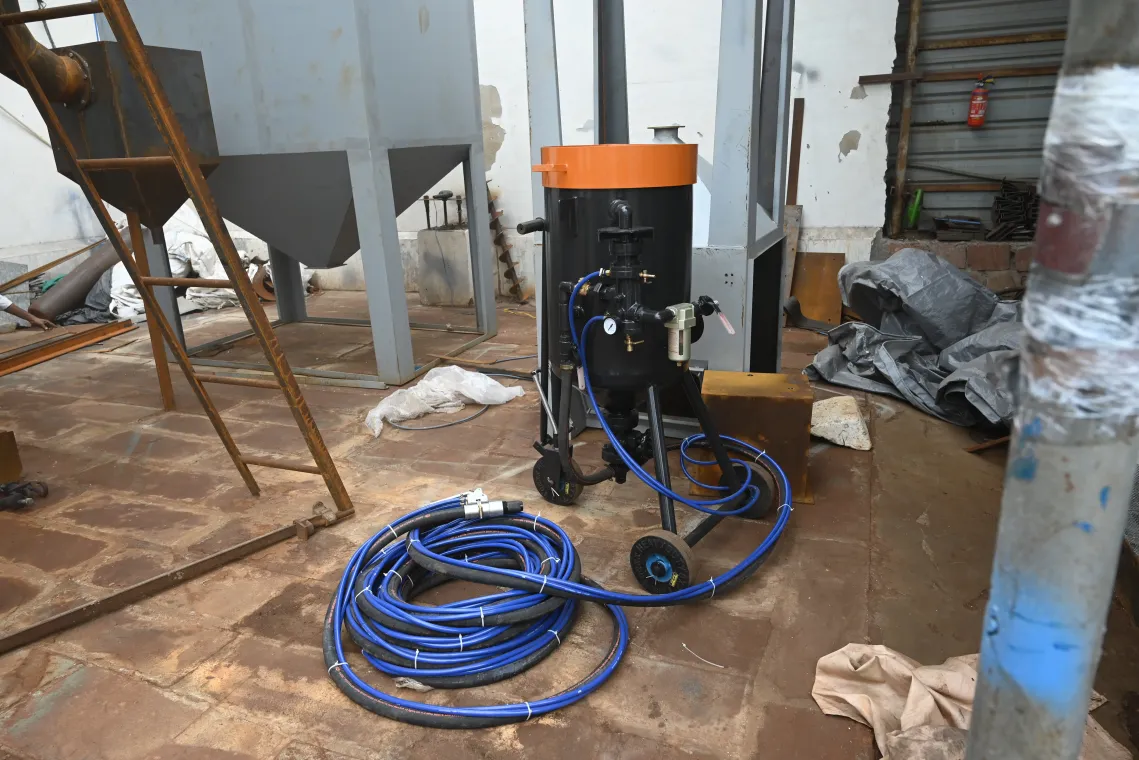
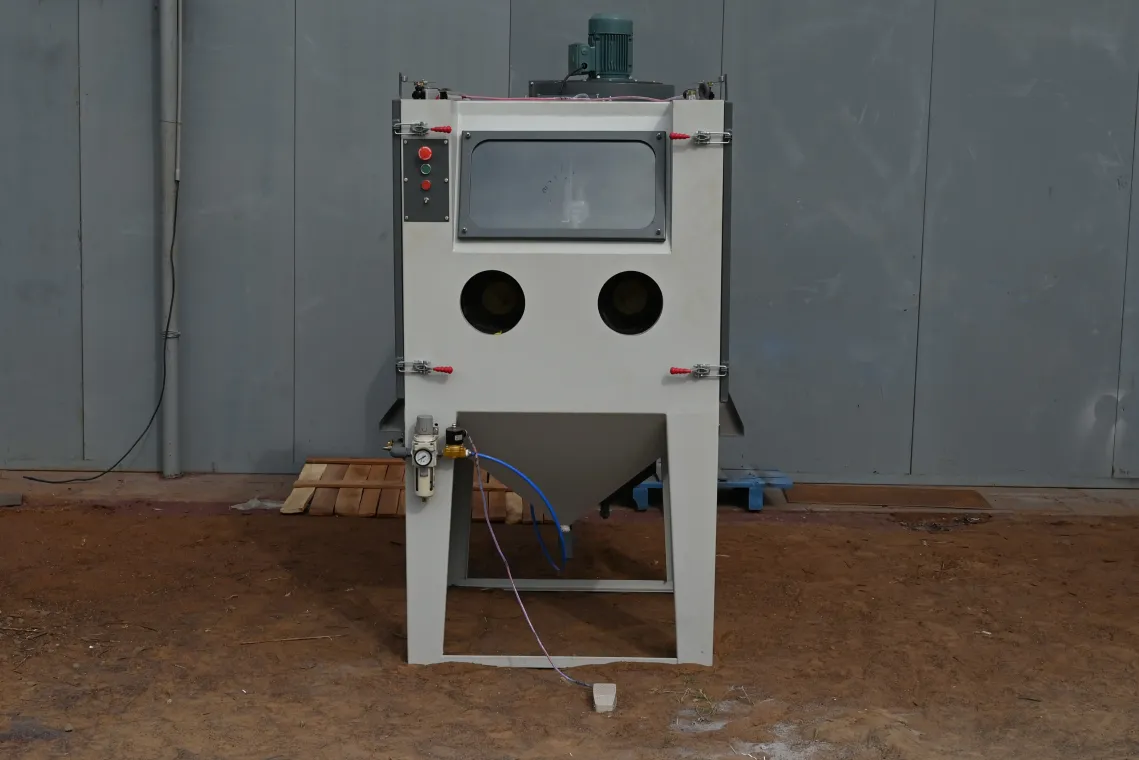
We are the leading sponge jet blasting machine manufacturer in India, and also a supplier of sponge blasting equipment worldwide. We also offer a sponge blasting machine, sand blasting machine, internal pipe blasting machine, sand blasting hopper, sand blasting booth, sand blasting cabinet, abrasive blasting machine, roller conveyor blasting machine, granite engraving machine, table shot blasting machine, grit blasting machine, dust collector, air compressor, abrasive media, and mineral powder, etc.